Theraphosinae sp “Highland Blue” Tarantula
Theraphosinae sp "Highland Blue" Tarantula
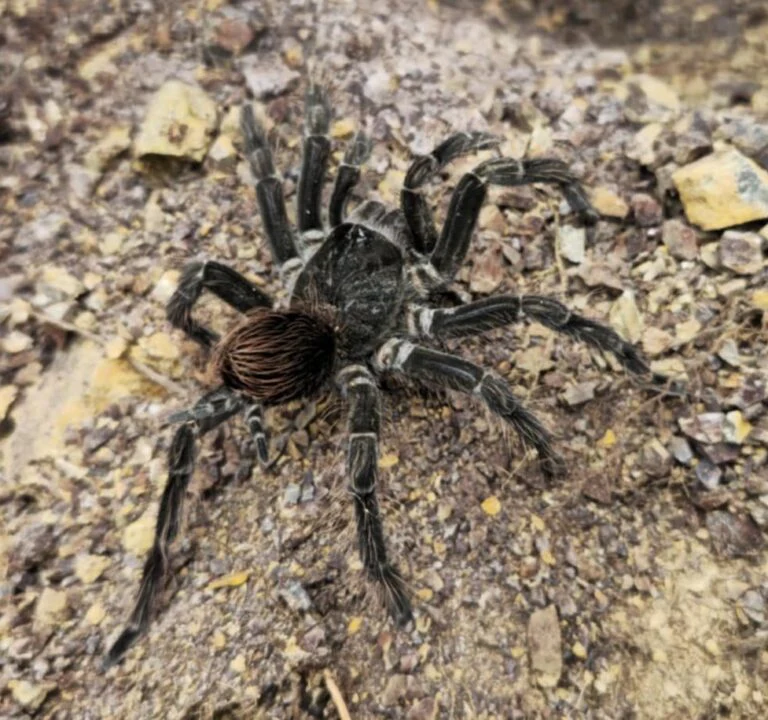
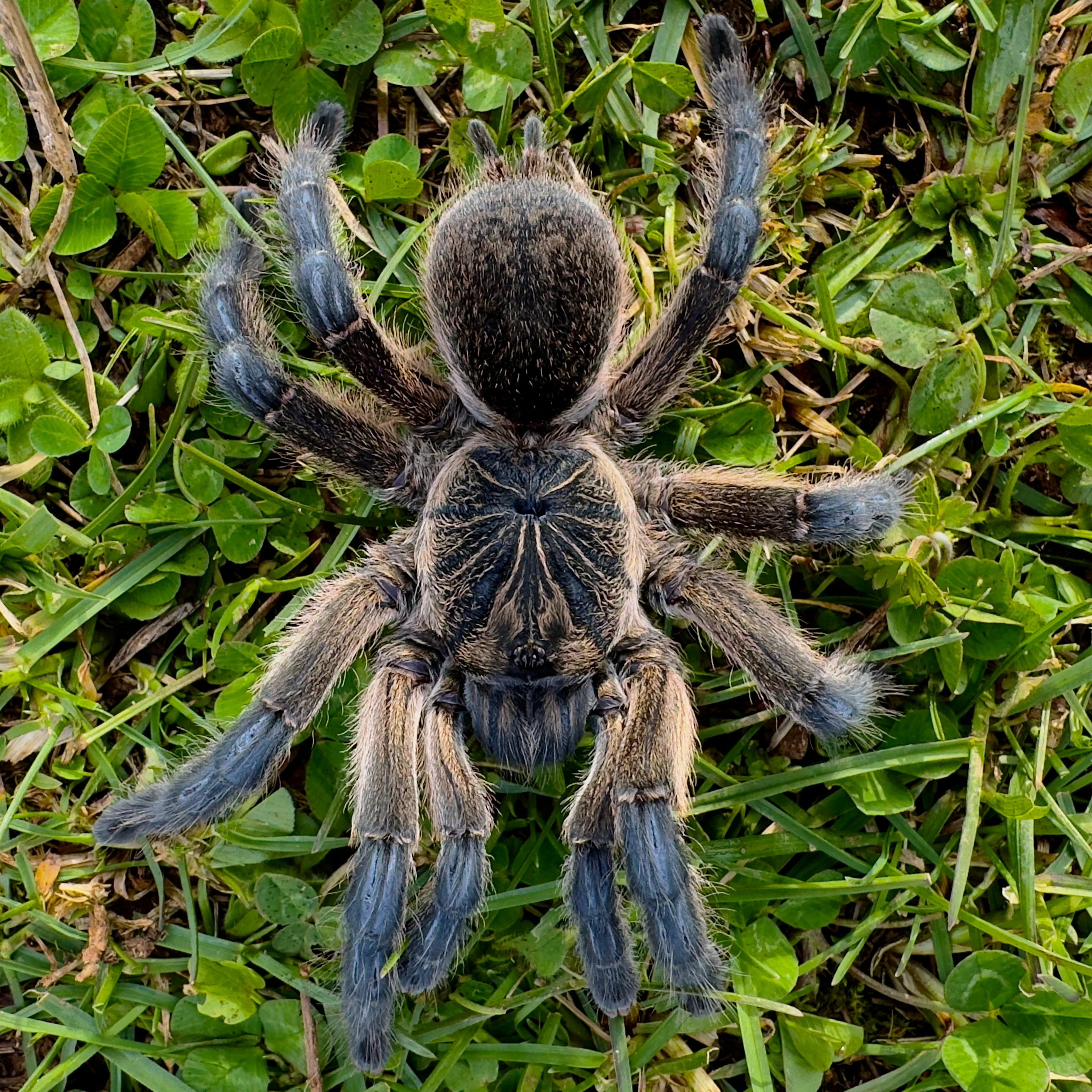
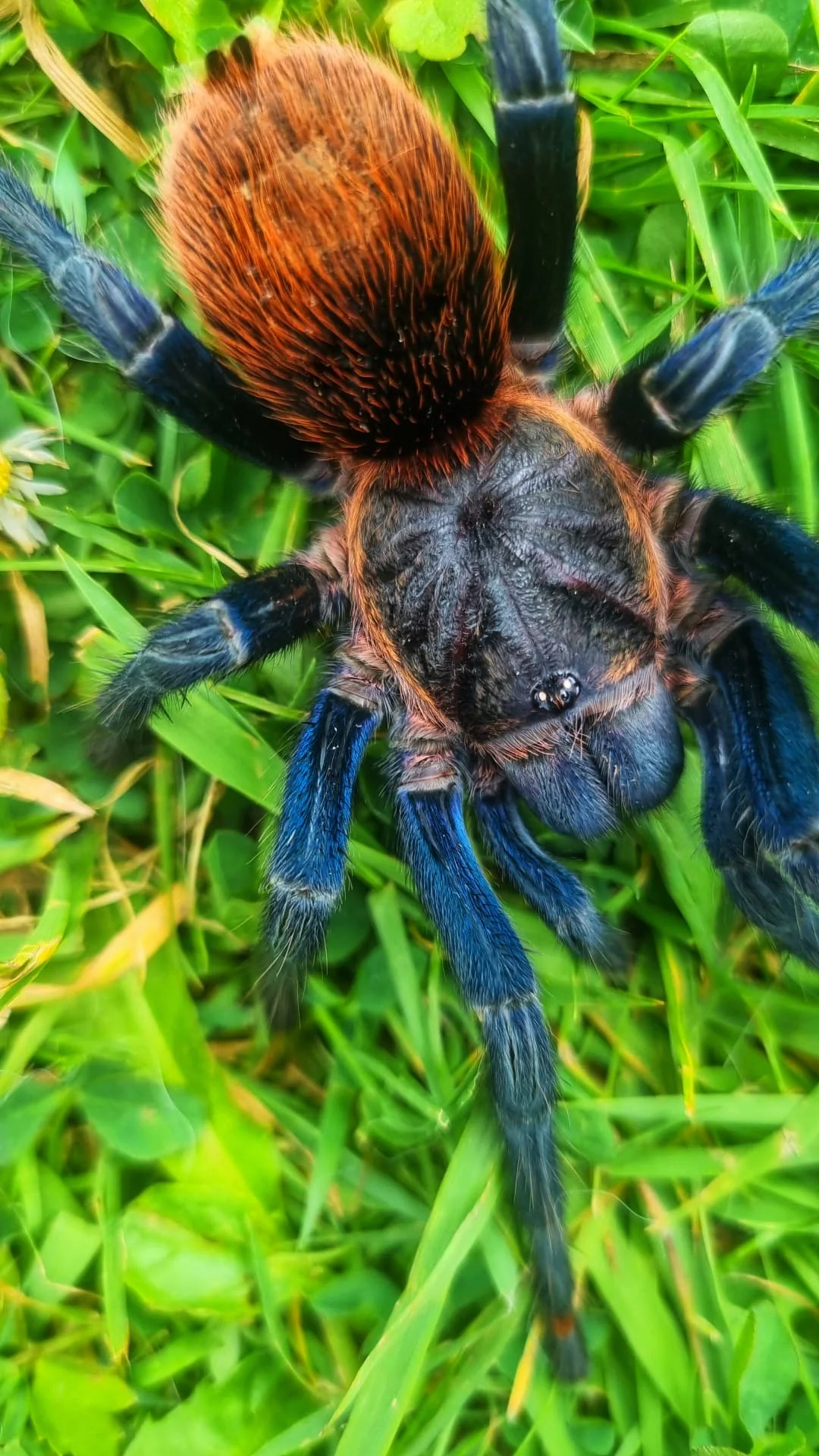
Theraphosinae sp "Highland Blue" is a medium sized species out of Central America that brings a color combo not many others in the hobby can match. Adults show bold blue legs, a matching blue carapace (head), and a bright orange abdomen, resembling the famous Green Bottle Blue in color but with a blue carapace instead of green. Grab this new world tarantula for sale today if you want a colorful, fast growing species that stands out in any collection.
Why do hobbyists keep Theraphosinae sp "Highland Blue"?
- Stunning Coloration: Blue legs, a blue carapace, and a vivid orange abdomen make this one of the more eye catching medium sized terrestrials in the hobby.
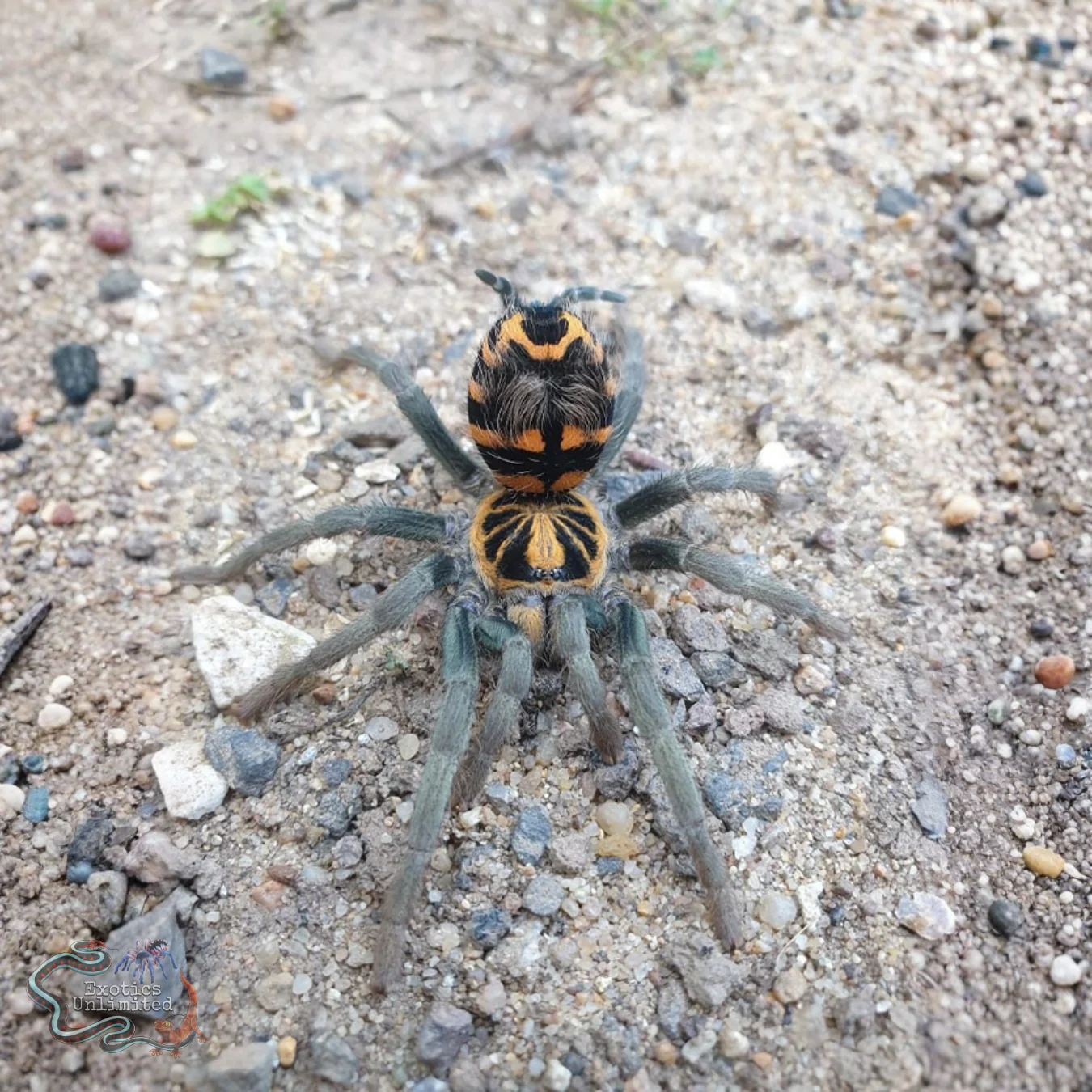
- Drastic Color Change: Slings start out a soft pink with darker legs, then shift into the bold blue and orange adult look as they mature.
- Great Display Species: Active and quick to move around the enclosure rather than staying tucked away, making it easy to actually see what you paid for.
- Fast Grower: Grows at a faster pace than many comparable terrestrials, especially rewarding for keepers who like watching progress.
- Rare Species: This species is very rare in the hobby and is rarely available!
How should Theraphosinae sp "Highland Blue" be kept?
- Adult Size: Reaches around 4 inches at full leg span. A great medium sized pick for keepers who want color without needing a huge enclosure.
- Enclosure: Provide an enclosure roughly 3 times the leg span in width and depth, and 2 times the leg span in height, with substrate at least equal to the leg span in depth and a hide included. For a half inch sling, start small, around 2 by 2 by 2 inches, and size up as it grows.
- Temperature: Keep between 65 to 75 degrees F.
- Humidity: Keep the substrate from drying out completely, this species does best with a bit more moisture on hand. Good ventilation is critical. Cross ventilation works best, but ample top ventilation can also be effective as long as the enclosure is not over misted.
- Water: A shallow textured water dish works well, something they can grip when climbing out.
- Diet: Crickets, roaches, and similar feeders sized to the carapace (head). Feeds aggressively and puts on size quickly with regular feeding.
- Temperament: Active and quick to explore the enclosure.
Are there any additional notes or considerations?
- Moderate Webber: Lays down a moderate amount of webbing around the hide and enclosure floor, adding to the display value without fully covering the setup.
- Sling Appearance: Babies start out a soft pink with darker legs that gradually deepen and shift as the animal grows toward its adult coloration.
- Growth Rate: A faster grower compared to many similarly sized New World terrestrials, so keepers see noticeable size and color progress in a shorter time.
- Captive Bred: All Tarantulas are 100% captive bred.
Listing Notes
- This listing includes multiple size options. Animals are unsexed, there is approximately a 50/50 chance of male or female on most species.
Original: $150.00
-65%$150.00
$52.50Product Information
Product Information
Shipping & Returns
Shipping & Returns
Description
Theraphosinae sp "Highland Blue" Tarantula
Theraphosinae sp "Highland Blue" is a medium sized species out of Central America that brings a color combo not many others in the hobby can match. Adults show bold blue legs, a matching blue carapace (head), and a bright orange abdomen, resembling the famous Green Bottle Blue in color but with a blue carapace instead of green. Grab this new world tarantula for sale today if you want a colorful, fast growing species that stands out in any collection.
Why do hobbyists keep Theraphosinae sp "Highland Blue"?
- Stunning Coloration: Blue legs, a blue carapace, and a vivid orange abdomen make this one of the more eye catching medium sized terrestrials in the hobby.
- Drastic Color Change: Slings start out a soft pink with darker legs, then shift into the bold blue and orange adult look as they mature.
- Great Display Species: Active and quick to move around the enclosure rather than staying tucked away, making it easy to actually see what you paid for.
- Fast Grower: Grows at a faster pace than many comparable terrestrials, especially rewarding for keepers who like watching progress.
- Rare Species: This species is very rare in the hobby and is rarely available!
How should Theraphosinae sp "Highland Blue" be kept?
- Adult Size: Reaches around 4 inches at full leg span. A great medium sized pick for keepers who want color without needing a huge enclosure.
- Enclosure: Provide an enclosure roughly 3 times the leg span in width and depth, and 2 times the leg span in height, with substrate at least equal to the leg span in depth and a hide included. For a half inch sling, start small, around 2 by 2 by 2 inches, and size up as it grows.
- Temperature: Keep between 65 to 75 degrees F.
- Humidity: Keep the substrate from drying out completely, this species does best with a bit more moisture on hand. Good ventilation is critical. Cross ventilation works best, but ample top ventilation can also be effective as long as the enclosure is not over misted.
- Water: A shallow textured water dish works well, something they can grip when climbing out.
- Diet: Crickets, roaches, and similar feeders sized to the carapace (head). Feeds aggressively and puts on size quickly with regular feeding.
- Temperament: Active and quick to explore the enclosure.
Are there any additional notes or considerations?
- Moderate Webber: Lays down a moderate amount of webbing around the hide and enclosure floor, adding to the display value without fully covering the setup.
- Sling Appearance: Babies start out a soft pink with darker legs that gradually deepen and shift as the animal grows toward its adult coloration.
- Growth Rate: A faster grower compared to many similarly sized New World terrestrials, so keepers see noticeable size and color progress in a shorter time.
- Captive Bred: All Tarantulas are 100% captive bred.
Listing Notes
- This listing includes multiple size options. Animals are unsexed, there is approximately a 50/50 chance of male or female on most species.