Hapalotremus sp 'Puma' (Highland White & Red Tarantula) FEMALE
Hapalotremus sp 'Puma' (Highland White & Red Tarantula)
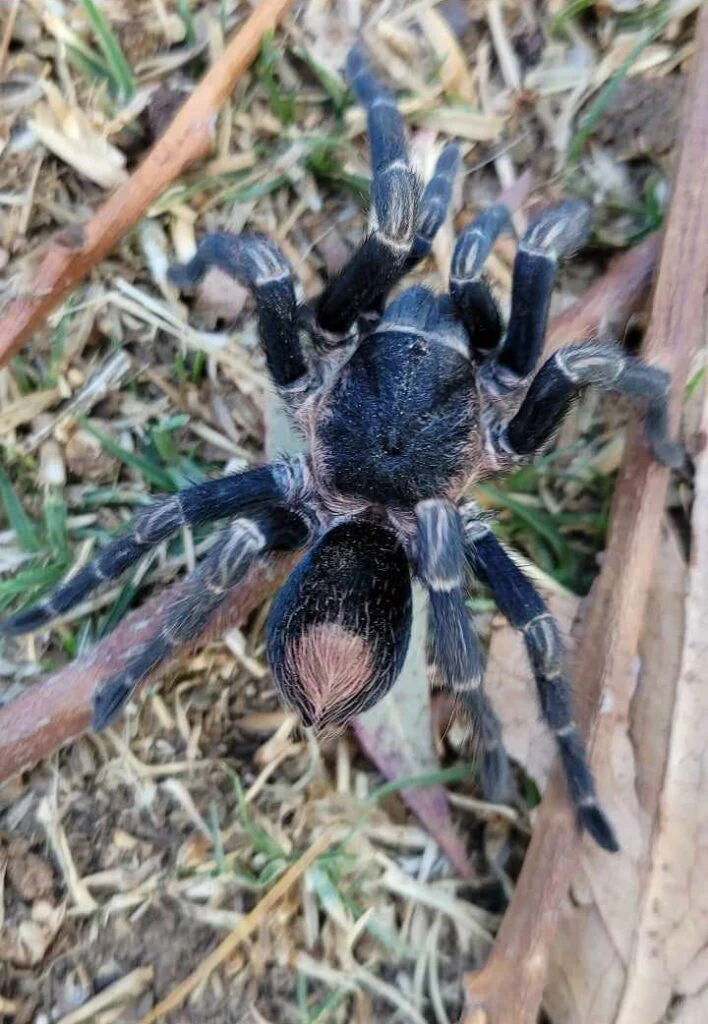
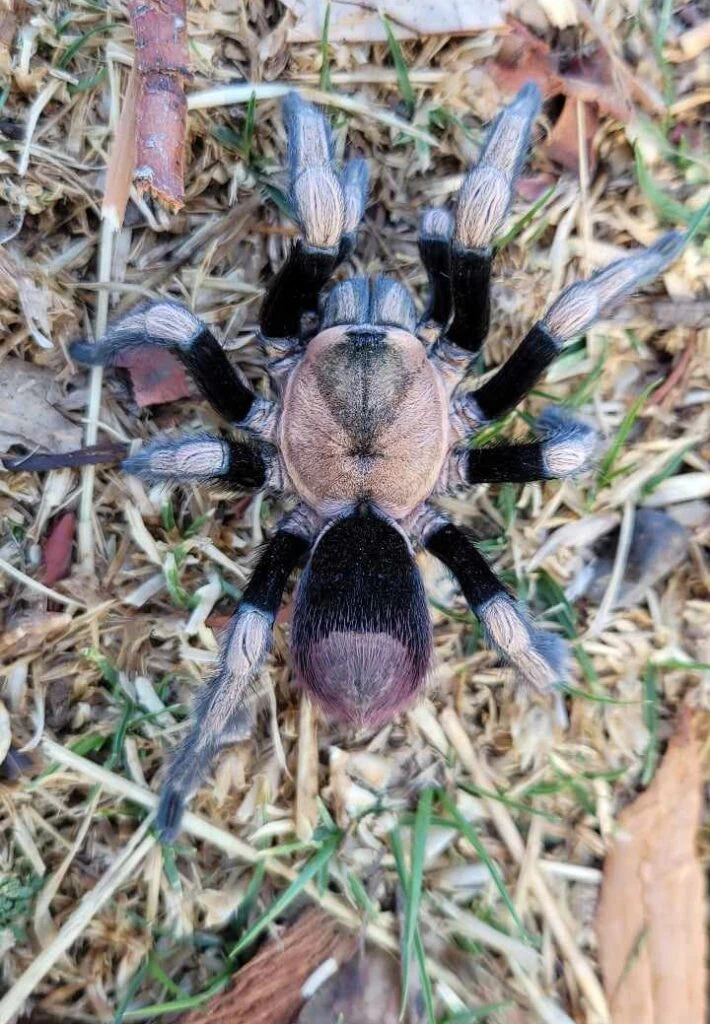
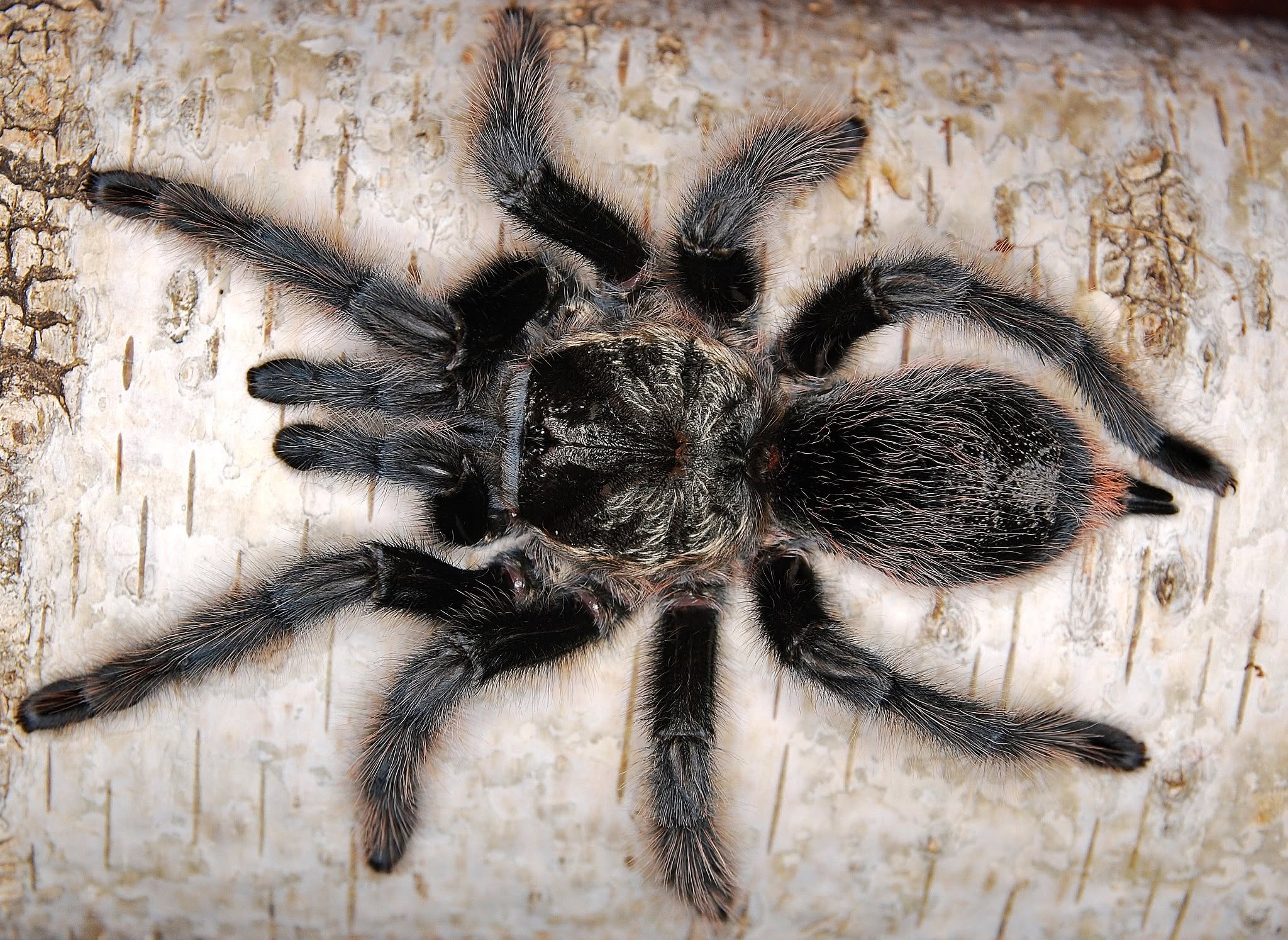
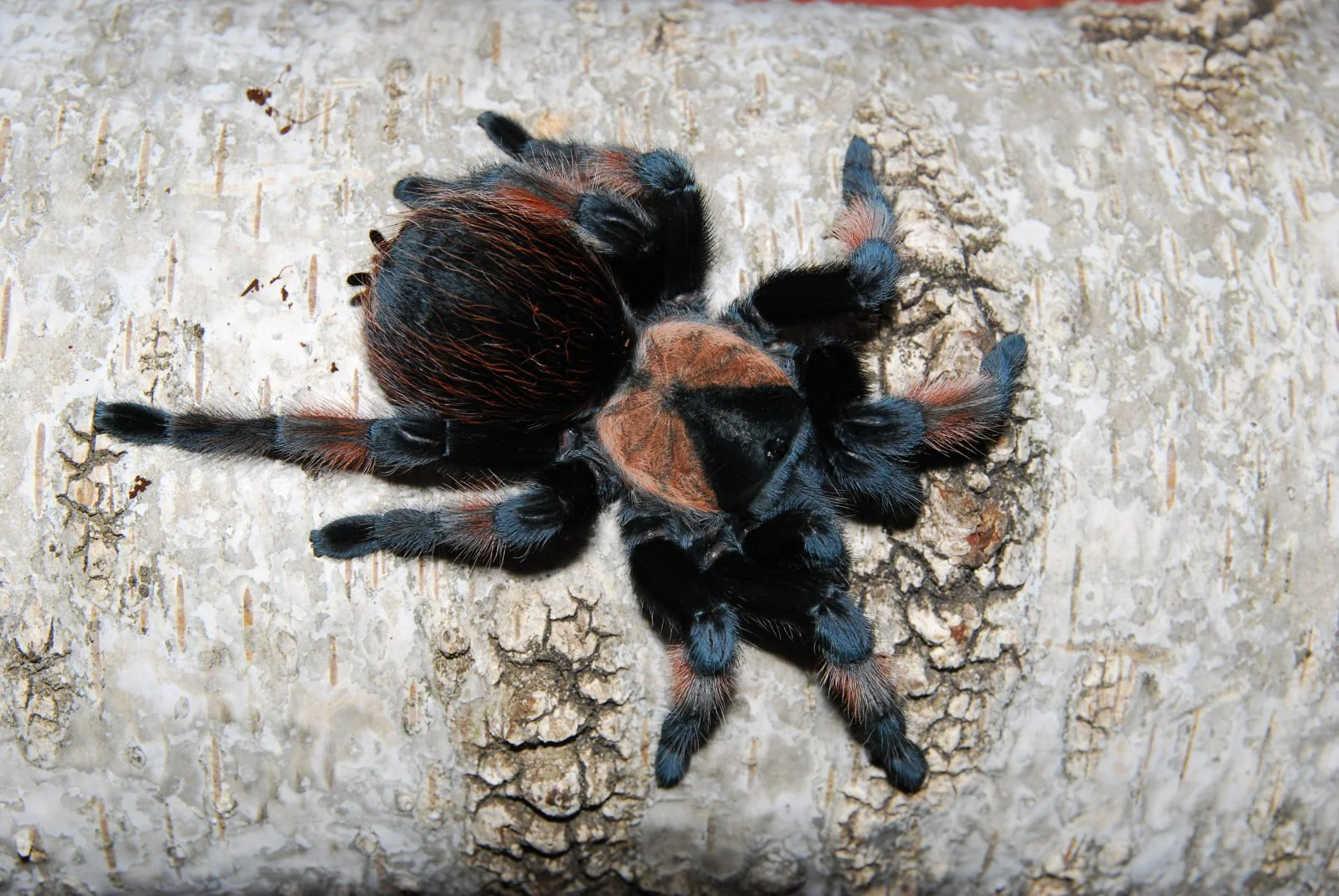
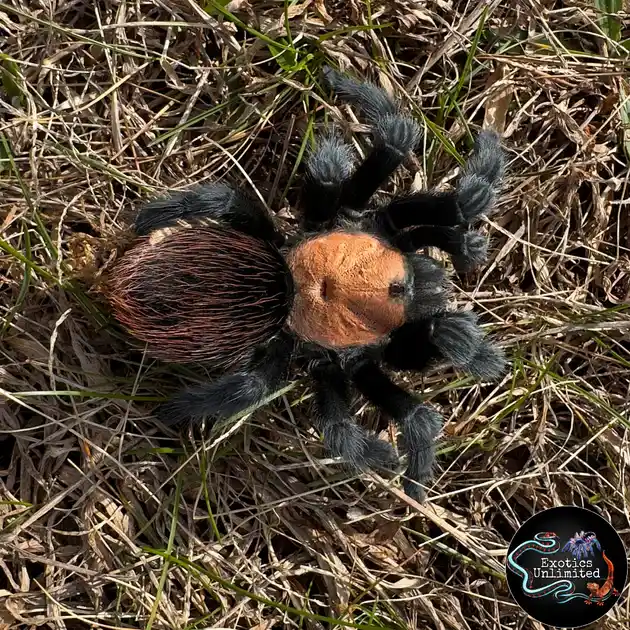
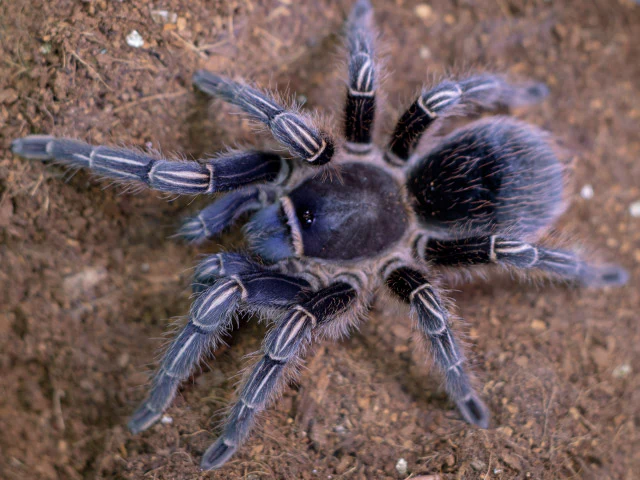
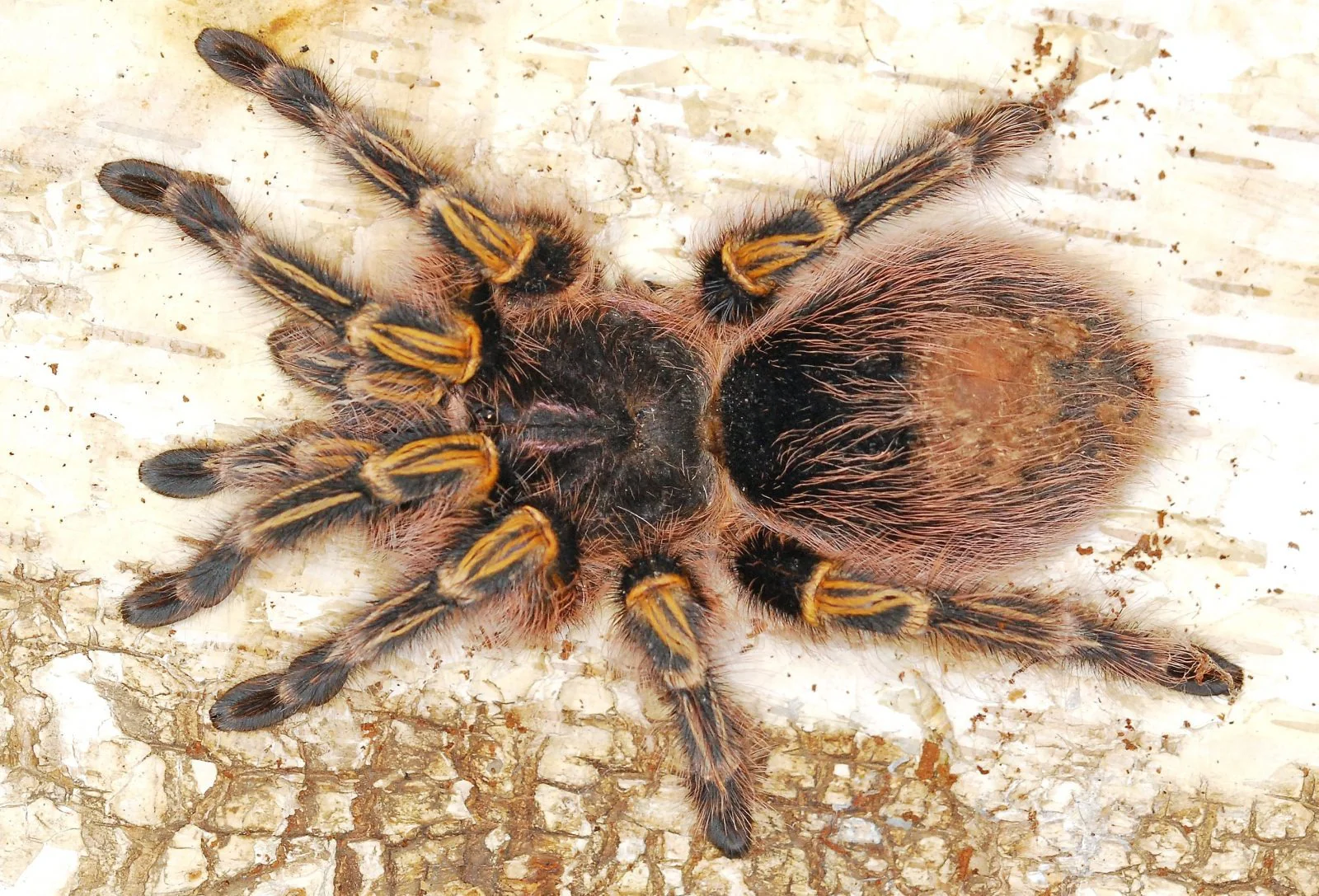
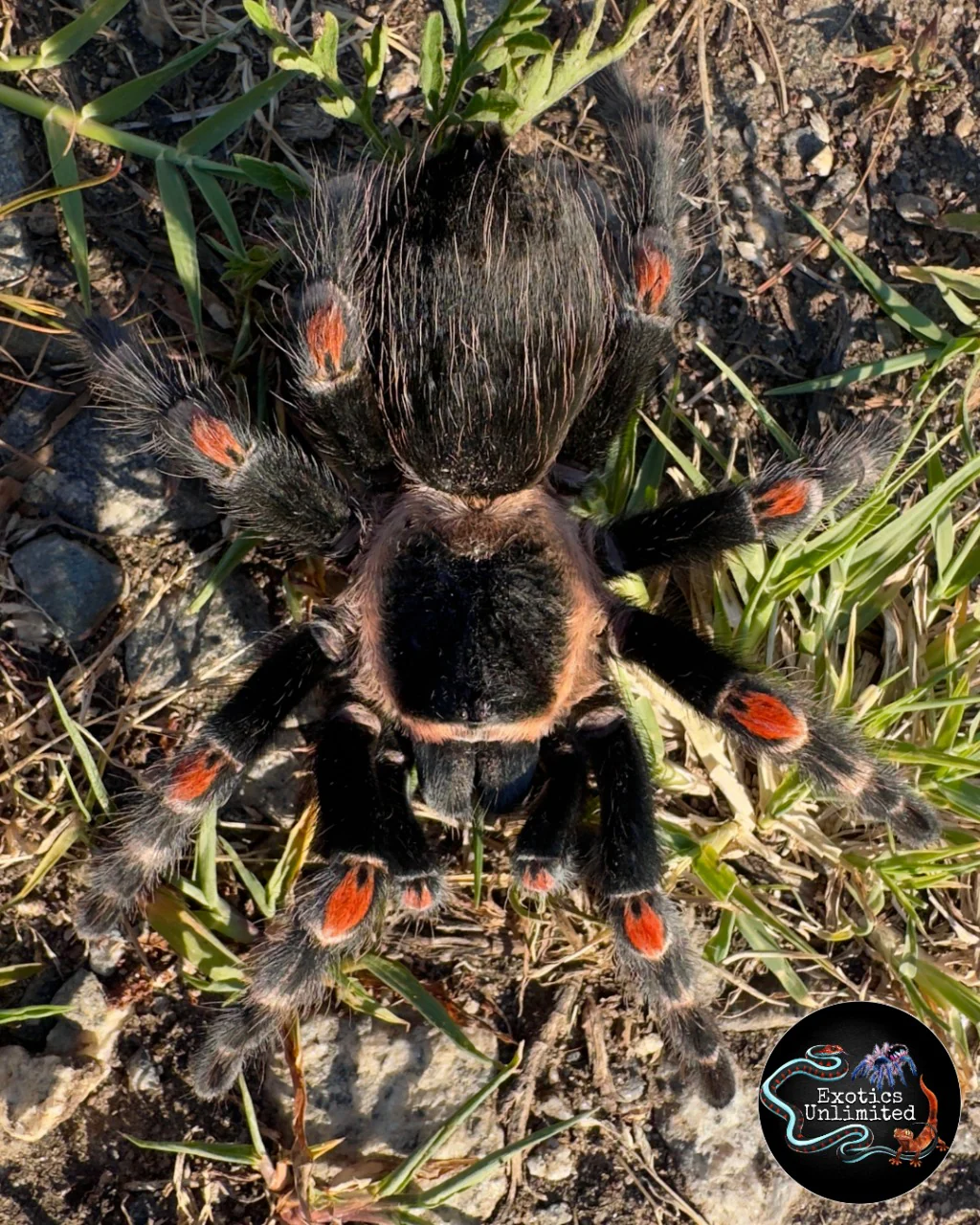
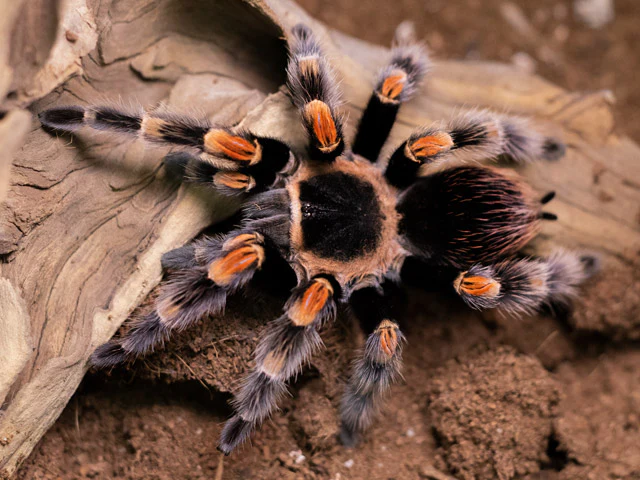
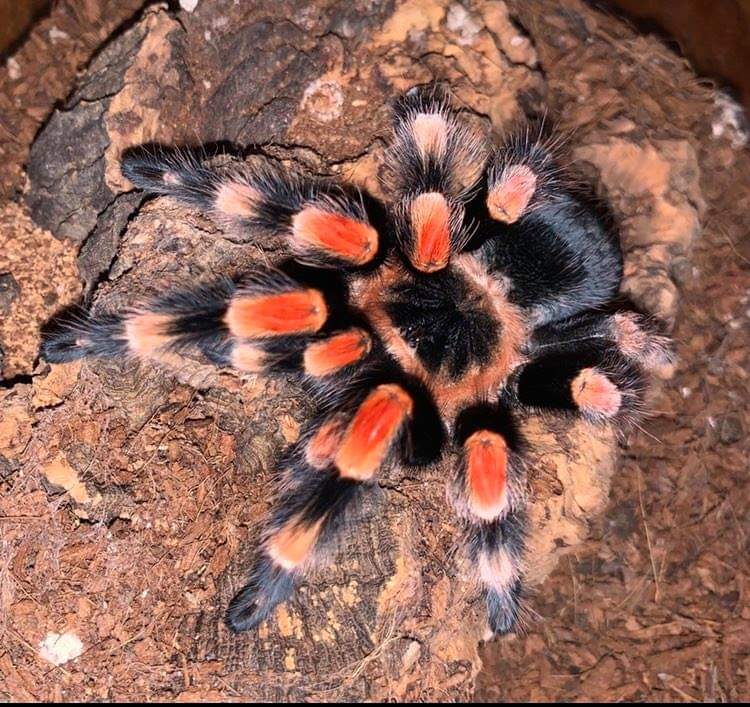
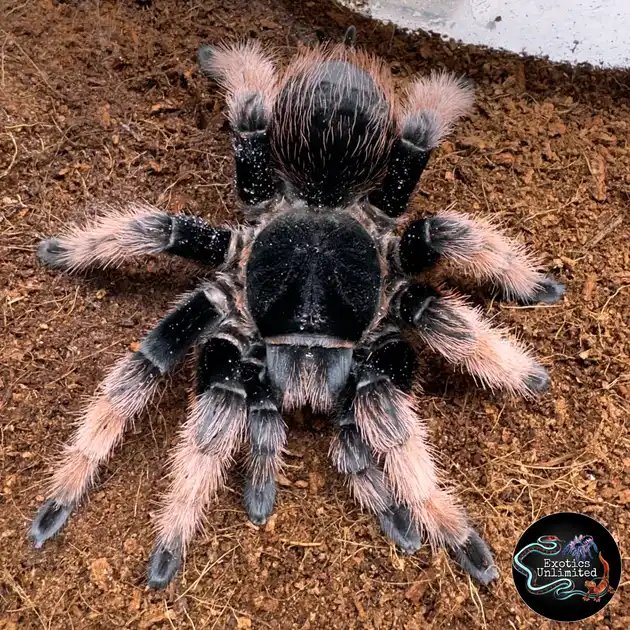
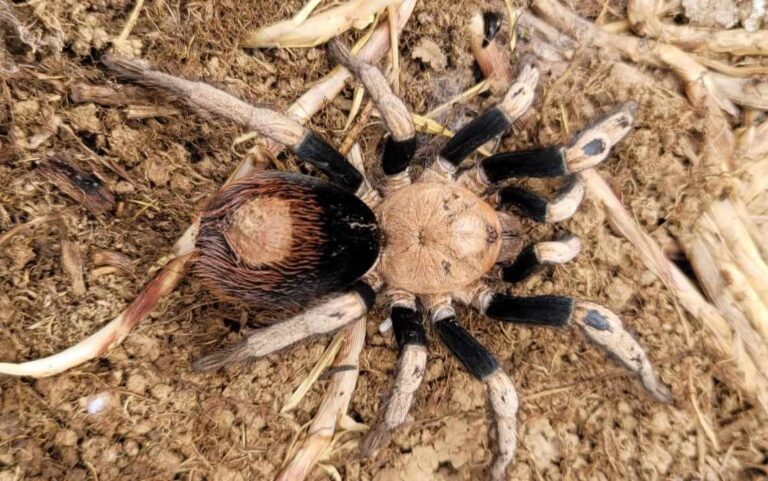
Hapalotremus sp 'Puma' comes straight from the high elevations of Peru, and it is one of the most striking terrestrials to come out of that region. Adults show bright white legs, a blonde carapace, and a deep red abdomen finished off with a rose gold urticating patch, a color combination that is hard to find anywhere else in the hobby. Grab this new world tarantula for sale today if you want a genus that is still building its reputation but already earning a following.
Why do hobbyists keep Hapalotremus sp 'Puma'?
- Bold Patterning: White legs, a blonde carapace, and a red abdomen with a rose gold urticating patch make this one of the more visually distinct highland terrestrials available.
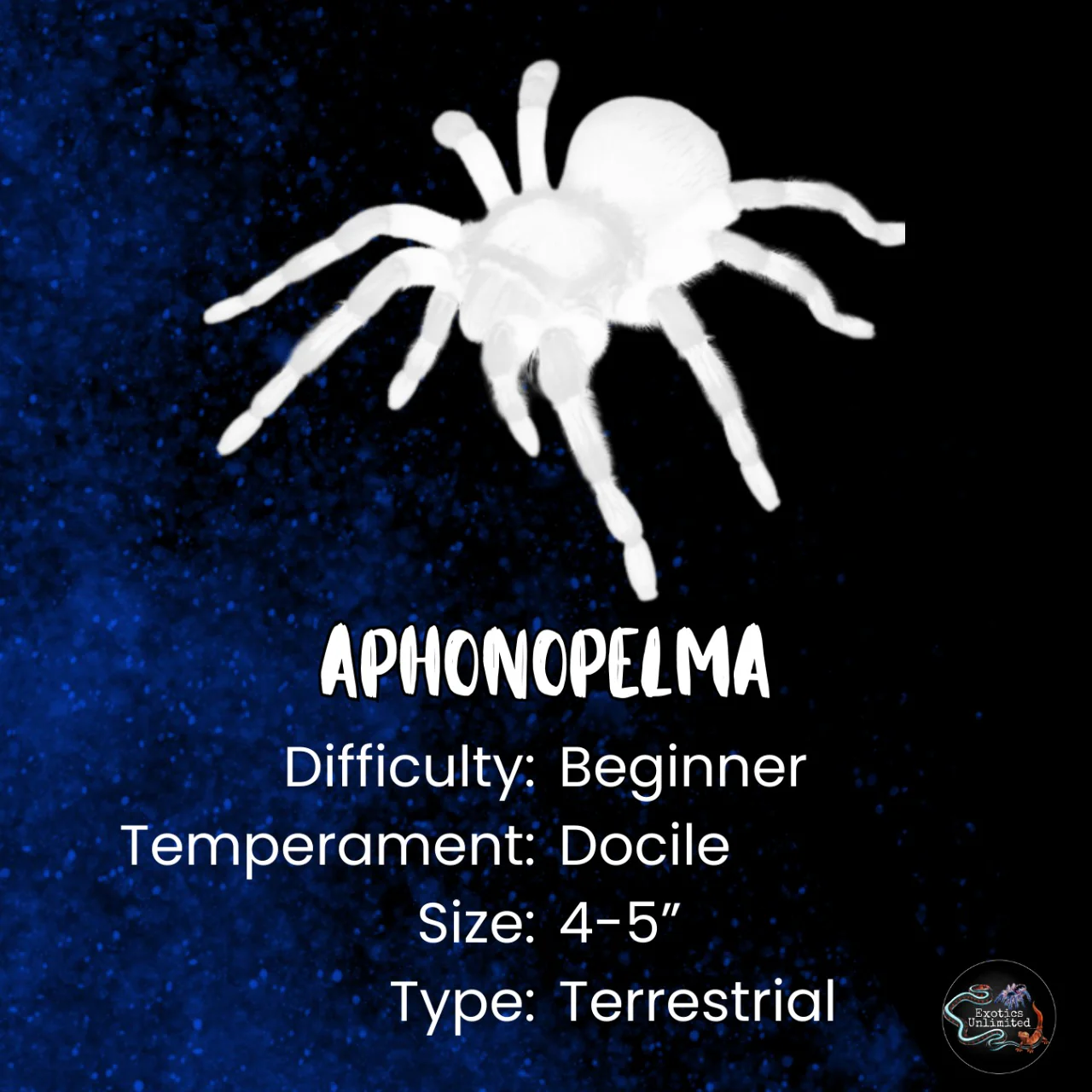
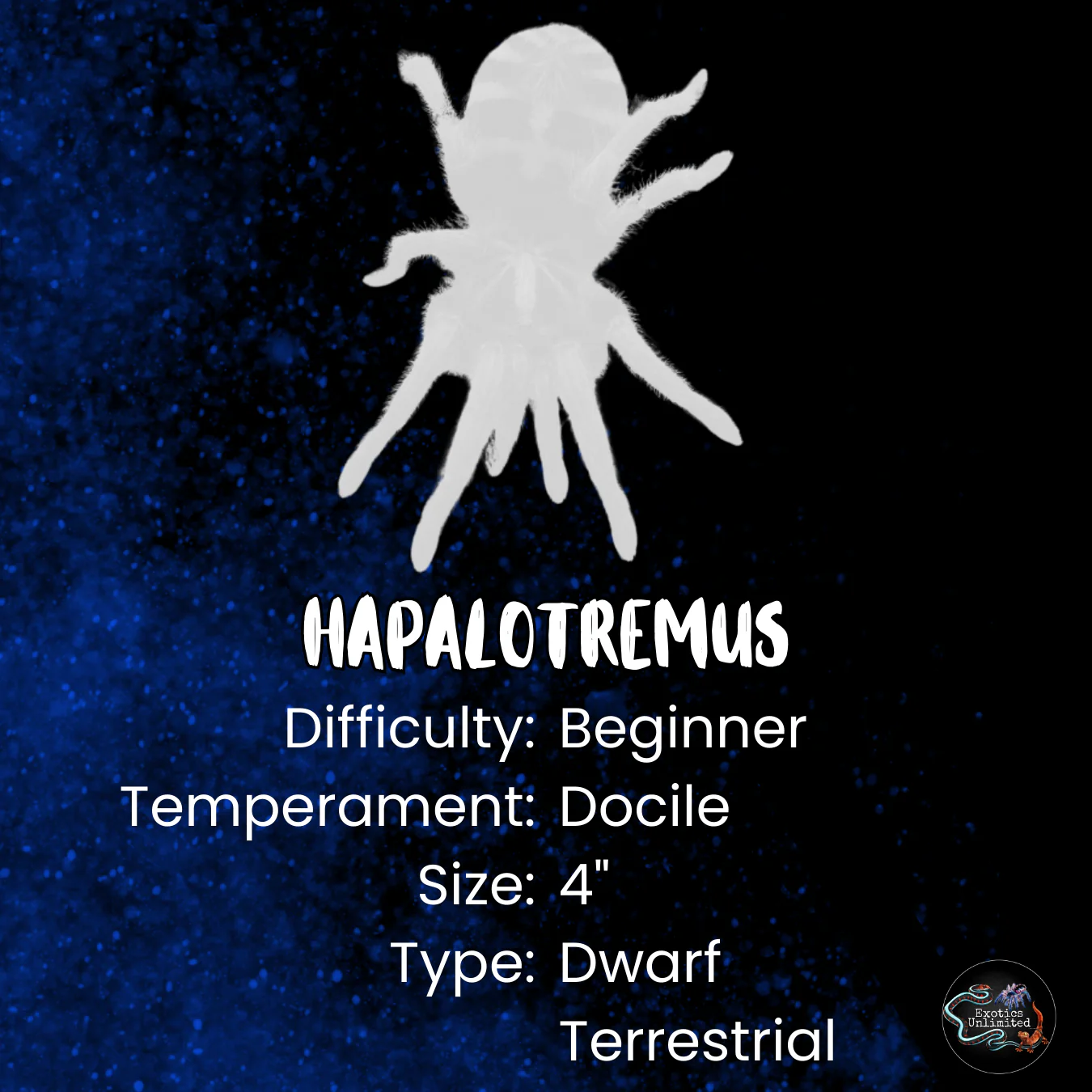
- Docile Temperament: Calm and settled once established, one of the more relaxed genera coming out of the Peruvian highlands.
- Great Display Species: Once settled in, this species tends to stay visible near the surface rather than staying buried, making it easy to appreciate day to day.
- Locality Variant: Tied to a specific high-elevation Peruvian locality, giving it a distinct look and story compared to more widely available terrestrials.
- Rare in the Hobby: Hapalotremus as a genus is still uncommon in collections, and this species is currently hard to source in any quantity.
How should Hapalotremus sp 'Puma' be kept?
- Adult Size: Reaches around 3.5 to 4 inches at full leg span. A compact highland terrestrial with a lot of presence for its size.
- Enclosure: Provide an enclosure roughly 3 times the leg span as width and depth, and 2 times the leg span as height, with soil at least 1 times the leg span deep and a hide available. For a half-inch sling, that means starting small, around 2 by 2 by 2 inches, so the animal isn't lost in a huge space and humidity stays manageable. Size up as it grows.
- Temperature: Keep between 65 and 70 degrees F. This range has produced consistent, healthy growth for us over an extended period.
- Humidity: Aim for a moisture gradient, damp lower layer with a drier surface, similar to a morning dew cycle in the wild. Good ventilation is critical. Cross ventilation works best, but ample top ventilation can also be effective as long as the enclosure is not over-misted.
- Water: A shallow textured water dish works well, something they can grip when climbing out.
- Diet: Crickets, roaches, and similar feeders sized to the carapace (head).
- Temperament: Calm and steady for a highland species. Most stay visible near the surface once settled in rather than staying buried.
Are there any additional notes or considerations?
- Highland Origin: Native to high-elevation Peru, where cooler stable temperatures and a natural moisture gradient shape how this species should be kept.
- Keeper Experience: We have kept this species for nearly two years at 65 to 70 degrees F with consistent, reliable results.
- Genus on the Rise: Hapalotremus is quickly becoming a genus to watch for keepers who want something colorful and calm that most collections do not have yet.
- Captive Bred: All Tarantulas are 100% captive bred.
Listing Notes
- This listing includes multiple size options. Animals are unsexed, there is approximately a 50/50 chance of male or female on most species.
Original: $500.00
-65%$500.00
$175.00Product Information
Product Information
Shipping & Returns
Shipping & Returns
Description
Hapalotremus sp 'Puma' (Highland White & Red Tarantula)
Hapalotremus sp 'Puma' comes straight from the high elevations of Peru, and it is one of the most striking terrestrials to come out of that region. Adults show bright white legs, a blonde carapace, and a deep red abdomen finished off with a rose gold urticating patch, a color combination that is hard to find anywhere else in the hobby. Grab this new world tarantula for sale today if you want a genus that is still building its reputation but already earning a following.
Why do hobbyists keep Hapalotremus sp 'Puma'?
- Bold Patterning: White legs, a blonde carapace, and a red abdomen with a rose gold urticating patch make this one of the more visually distinct highland terrestrials available.
- Docile Temperament: Calm and settled once established, one of the more relaxed genera coming out of the Peruvian highlands.
- Great Display Species: Once settled in, this species tends to stay visible near the surface rather than staying buried, making it easy to appreciate day to day.
- Locality Variant: Tied to a specific high-elevation Peruvian locality, giving it a distinct look and story compared to more widely available terrestrials.
- Rare in the Hobby: Hapalotremus as a genus is still uncommon in collections, and this species is currently hard to source in any quantity.
How should Hapalotremus sp 'Puma' be kept?
- Adult Size: Reaches around 3.5 to 4 inches at full leg span. A compact highland terrestrial with a lot of presence for its size.
- Enclosure: Provide an enclosure roughly 3 times the leg span as width and depth, and 2 times the leg span as height, with soil at least 1 times the leg span deep and a hide available. For a half-inch sling, that means starting small, around 2 by 2 by 2 inches, so the animal isn't lost in a huge space and humidity stays manageable. Size up as it grows.
- Temperature: Keep between 65 and 70 degrees F. This range has produced consistent, healthy growth for us over an extended period.
- Humidity: Aim for a moisture gradient, damp lower layer with a drier surface, similar to a morning dew cycle in the wild. Good ventilation is critical. Cross ventilation works best, but ample top ventilation can also be effective as long as the enclosure is not over-misted.
- Water: A shallow textured water dish works well, something they can grip when climbing out.
- Diet: Crickets, roaches, and similar feeders sized to the carapace (head).
- Temperament: Calm and steady for a highland species. Most stay visible near the surface once settled in rather than staying buried.
Are there any additional notes or considerations?
- Highland Origin: Native to high-elevation Peru, where cooler stable temperatures and a natural moisture gradient shape how this species should be kept.
- Keeper Experience: We have kept this species for nearly two years at 65 to 70 degrees F with consistent, reliable results.
- Genus on the Rise: Hapalotremus is quickly becoming a genus to watch for keepers who want something colorful and calm that most collections do not have yet.
- Captive Bred: All Tarantulas are 100% captive bred.
Listing Notes
- This listing includes multiple size options. Animals are unsexed, there is approximately a 50/50 chance of male or female on most species.